
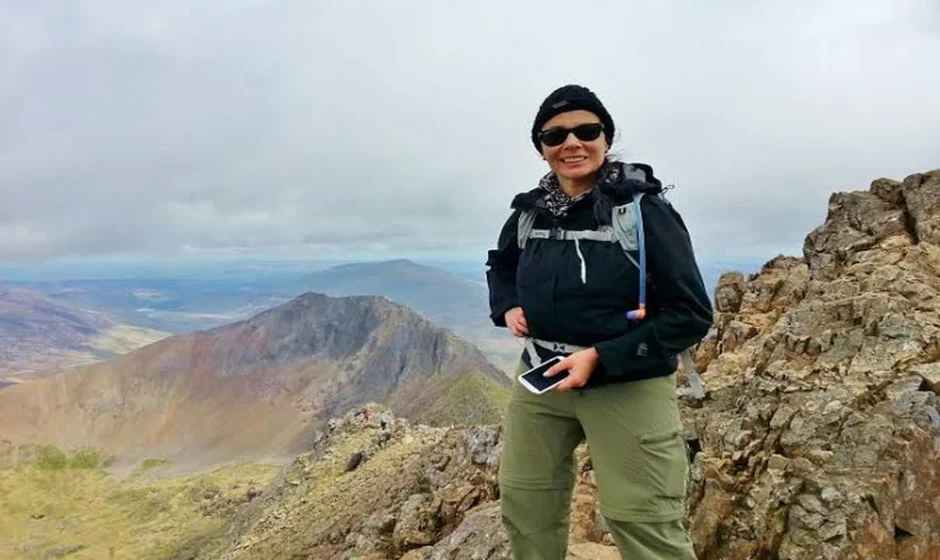

Completing three big mountains in one challenge may seem like a logical step to those who appreciate walking and outdoor adventure. But there’s much more to the Three Peaks Challenge than just trekking. A severe test of one’s physical and mental stamina may result from long walks, considerable elevation changes, erratic weather, short recuperation times, and strenuous mountain travel.
Instead of just rewarding enthusiasm, the challenge rewards preparedness. Participants may train more efficiently, choose appropriate equipment, control their energy, and tackle each mountain with more confidence if they are aware of its demands before they start out.
Recognising The Challenge’s Scale
The tallest mountains in Scotland, England, and Wales are usually climbed as part of the 3 Peaks Challenge UK. These are Yr Wyddfa, often referred to as Snowdon, Ben Nevis, and Scafell Pike. Walking pace and travel planning become crucial since participants in the National Three Peaks Challenge often want to finish the trip within a certain amount of time.
Every mountain offers a unique experience. Throughout the trip, there may be significant changes in the terrain, elevation, visibility, weather, and level of weariness. Later parts may be much more difficult for a person who feels comfortable throughout the initial climb due to fatigued legs and less energy.
Physical Fitness Goes Beyond Walking Ability
Frequent walking is a helpful starting point, but mountain endurance calls for more. Participants need both physical endurance for repeated ascents and descents and cardiovascular fitness to handle prolonged climbs.
Therefore, increasingly longer walks and routes with significant elevation gain should be a part of training. Managing uneven terrain may also be made simpler by strengthening the legs and core. Because descending may put a lot of strain on the knees and leg muscles, it requires special care.
A more accurate picture of how the body will react on the day may be obtained by training with the backpack and challenge-specific equipment.
Ben Nevis Establishes A High Bar
Climbing Ben Nevis gives many people an instant sense of how difficult the task might become. The highest summit in the United Kingdom, Ben Nevis, may subject climbers to rapidly changing mountain conditions and requires constant effort.
The weather at lower altitudes does not always predict the weather at higher altitudes. Temperatures may drop, visibility may diminish, and progress may become more challenging due to wind or rain. Thus, it is crucial to have the right layers, waterproof clothes, trustworthy shoes, food, water, and proper navigation preparation.
Preventing the early use of needless energy is crucial. There may yet be additional physical reserves for the mountains if a steady and sustainable pace is maintained.
Scafell Pike Presents Various Difficulties
Accumulated weariness may become a significant problem by the time athletes arrive in England. Because some of the terrain may be rough, uneven, and difficult on foot, climbing Scafell Pike demands both mental focus and physical endurance.
This is the point at which preparedness becomes really important. Walkers who are fatigued may inevitably become less accurate with their footing or judgement. Participants may exercise more consistently if they maintain proper diet and hydration, stay focused, and resist the need to hurry.
On mountain routes, navigational abilities are also crucial, especially when the terrain is difficult to read due to darkness, clouds, rain, or low visibility.
Mental Endurance Matters Too
It’s not only a physical problem. Tiredness, discomfort, shifting weather, disturbed sleep, and periods of low motivation are all possible for participants. Therefore, a person’s ability to manage challenging situations might be influenced by their mental resilience.
It might be beneficial to divide the event into manageable phases. Participants may concentrate on getting to the next checkpoint, finishing the current climb, eating healthily, or keeping a steady pace rather than worrying about all three mountains all the time.
Additionally, a supportive group may have a significant impact. Instead of letting weariness or pain worsen, clear communication encourages participants to identify issues early.
Preparation Makes The Difference
Although finishing the Three Peaks Challenge may give one a great feeling of accomplishment, its hardship should not be undervalued. It incorporates travel, endurance, navigation, shifting circumstances, mountain walking, and limited recuperation.
Developing reasonable expectations, carrying appropriate equipment, gradually increasing fitness, and growing at ease on a variety of terrain are all necessary for effective preparation. The Three Peaks Challenge is more than just a strenuous walk when done properly. It turns into an unforgettable test of readiness, cooperation, fortitude, and resolve.